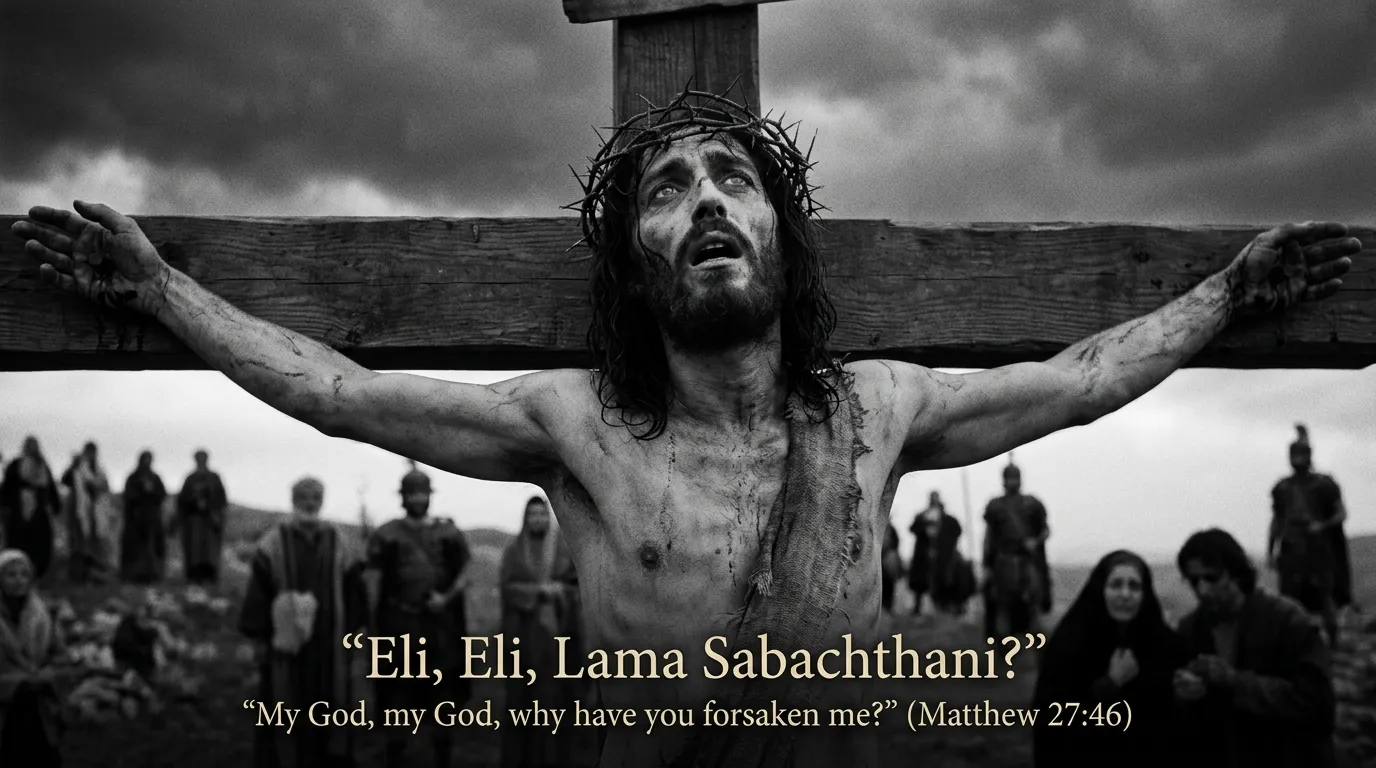
Imagine standing near the cross on the day Jesus was crucified. The sky grows dark. The crowd becomes quiet. Then, in the middle of His suffering, Jesus cries out:
“Eli, Eli, lama sabachthani?”
These words are among the most emotional and powerful words spoken in the Bible. Many Christians read them and wonder, What did Jesus mean? Why did He say this? Was He feeling abandoned by God?
If you have ever felt alone, hurt, confused, or distant from God, these words may touch your heart in a special way. They reveal both the deep suffering of Jesus and the amazing love God has for humanity.
The phrase “Eli Eli lama sabachthani” appears during one of the most important moments in Scripture. It carries a rich spiritual message, offers insight into God’s plan of salvation, and gives comfort to believers facing difficult seasons.
Understanding the Eli Eli lama sabachthani meaning in the Bible can help strengthen your faith, deepen your prayer life, and remind you that Jesus fully understands human pain.
Let’s explore what these words mean and why they remain so important for Christians today.
Biblical Meaning of Eli Eli Lama Sabachthani
The phrase “Eli, Eli, lama sabachthani?” appears in Matthew 27:46. Jesus spoke these words while hanging on the cross.
The verse says:
“About the ninth hour Jesus cried out with a loud voice, saying, ‘Eli, Eli, lama sabachthani?’ that is, ‘My God, My God, why have You forsaken Me?’”
The words come from the Aramaic language, which Jesus commonly spoke.
The meaning is:
“My God, My God, why have You forsaken Me?”
At first, this statement may seem surprising. Why would Jesus, the Son of God, say such a thing?
Jesus Was Quoting Psalm 22
One of the most important things to understand is that Jesus was quoting Psalm 22:1.
King David wrote this psalm many years before Jesus was born:
“My God, my God, why have you forsaken me?”
Psalm 22 begins with sorrow and suffering, but it ends with hope, victory, and trust in God.
By quoting this psalm, Jesus pointed people toward a prophecy that described many details of His crucifixion.
A Fulfillment of Prophecy
Psalm 22 contains remarkable descriptions that match the events of the cross:
- People mocking the sufferer
- Hands and feet being pierced
- Clothing being divided
- Public humiliation
- Deep physical pain
These details help show that Jesus was fulfilling God’s plan foretold long before His birth.
This is a powerful example of biblical symbolism and divine purpose.
Did God Truly Abandon Jesus?
This question has been discussed by Christians for centuries.
Many Bible teachers explain that Jesus experienced the weight of humanity’s sin while on the cross. He carried the punishment that sinners deserved.
As 2 Corinthians 5:21 teaches:
“God made him who had no sin to be sin for us.”
In that moment, Jesus experienced intense suffering unlike anything anyone has ever known.
His cry reveals the depth of that suffering.
Yet it does not mean God stopped loving Him.
The Father and Son remained united in God’s saving plan. Jesus willingly endured suffering so humanity could receive forgiveness and eternal life.
A Message of Hope
Although these words sound painful, they actually contain a message of hope.
Jesus was not defeated.
His suffering led to:
- Salvation
- Forgiveness
- Reconciliation with God
- Victory over sin
- Victory over death
Three days later, Jesus rose from the dead, proving that suffering was not the end of the story.
Comfort for Believers
One reason this verse is so meaningful is that it speaks to people who feel alone.
Sometimes believers face:
- Loss
- Grief
- Illness
- Fear
- Spiritual struggles
In those moments, it may seem as though God is distant.
Jesus understands those feelings because He experienced profound suffering Himself.
Hebrews 4:15 reminds believers that Jesus sympathizes with human weakness and pain.
His cry from the cross assures Christians that they are never alone in their struggles.
A Warning Meaning
The verse also contains a serious lesson.
Sin creates separation between people and God.
Jesus took that burden upon Himself so that believers could be restored to a relationship with God.
This reminds Christians not to take sin lightly but to seek forgiveness, repentance, and spiritual renewal.
Through Christ, God’s grace is available to everyone who turns to Him in faith.
Spiritual Significance and Symbolism
The Eli Eli lama sabachthani meaning in the Bible goes beyond the historical event of the crucifixion.
It carries deep spiritual symbolism for every believer.
The Symbol of Sacrifice
Jesus’ words remind us of His ultimate sacrifice.
He willingly endured suffering because of His love for humanity.
This teaches Christians that true love often involves sacrifice and selflessness.
The Symbol of Faith During Pain
Even while suffering, Jesus still said:
“My God.”
Notice that He continued to address God personally.
This is a powerful lesson.
Faith does not mean never experiencing pain.
Faith means holding onto God even when life is difficult.
The Symbol of Hope After Darkness
Psalm 22 begins with sorrow but ends with victory.
The cross was followed by resurrection.
This pattern reflects many Christian journeys.
People may walk through:
- Heartbreak
- Disappointment
- Uncertainty
Yet God’s story often brings healing, growth, and renewal.
This offers hope during seasons of waiting and struggle.
The Symbol of God’s Love
Perhaps the greatest message is God’s love.
Jesus endured the cross so people could be forgiven and brought close to God.
His cry reminds believers that salvation came at a great cost and reveals the depth of God’s compassion.
Biblical Interpretations in Dreams or Real Life
Some people encounter this verse in a dream, during prayer, or while reading the Bible during a difficult season.
In dream interpretation, hearing or seeing “Eli Eli lama sabachthani” may symbolize a period of emotional struggle or a desire for God’s presence.
If the Dream Feels Peaceful
A peaceful dream may indicate:
- God’s comfort during hardship
- Spiritual growth
- A reminder that God understands your pain
- Encouragement to trust Him
If the Dream Feels Fearful or Heavy
A troubling dream may point to:
- Feelings of loneliness
- Spiritual exhaustion
- A need for prayer and renewal
- Unresolved emotional burdens
Rather than creating fear, such dreams can encourage deeper faith and dependence on God.
In Real Life
Sometimes this verse stands out while someone is experiencing grief, disappointment, or confusion.
Many Christians see this as a reminder that Jesus understands suffering and remains present during difficult times.
Prayer, Scripture reading, and trusting God’s promises can bring peace and guidance during these seasons.
Practical Lessons & Faith Insights
The message of Eli Eli lama sabachthani teaches several important faith lessons:
- Trust God even in difficult moments.
- Remember that Jesus understands human pain.
- Hold onto hope when life feels dark.
- Pray honestly about your struggles.
- Believe that God’s plan continues beyond present suffering.
Every challenge can become an opportunity for deeper faith and spiritual growth.
Conclusion
The Eli Eli lama sabachthani meaning in the Bible reveals one of the most powerful moments in Scripture. Jesus’ cry from the cross expresses deep suffering, fulfills prophecy, and points to God’s plan of salvation.
Far from being a message of despair, it is a reminder of hope, redemption, and God’s unfailing love. When believers face seasons of pain or uncertainty, they can remember that Jesus understands their struggles and walks with them through every trial.
No matter what you are facing today, trust that God’s presence remains near. Through faith, prayer, and hope in Christ, darkness can give way to light, and sorrow can lead to renewed strength and peace.