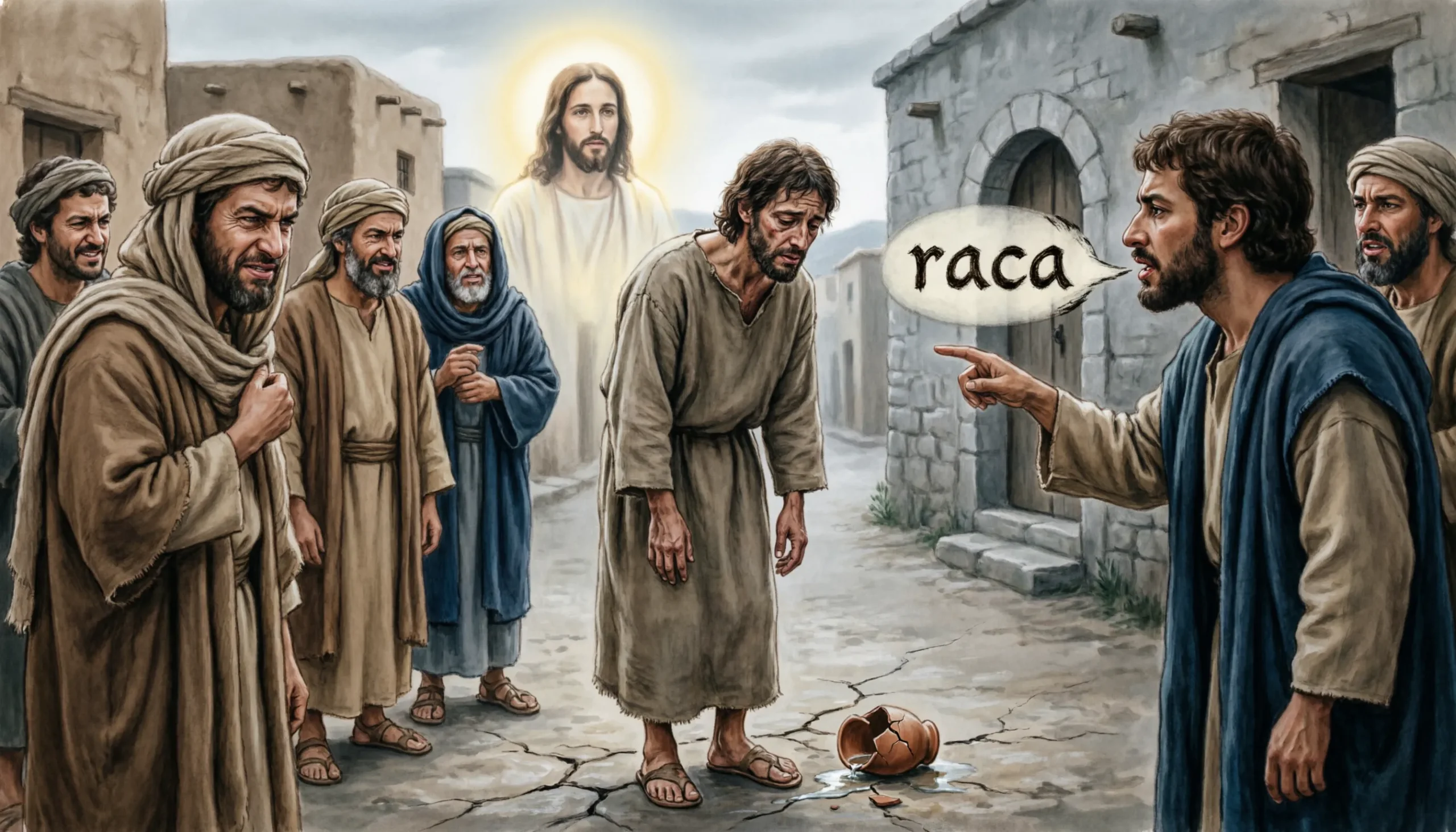
Have you ever spoken a word in anger—only to wish you could take it back? A single word can wound deeply, even if it feels small or casual at the moment. The Bible takes words seriously because they reveal what is happening inside the heart.
Many readers notice the word “Raca” while reading the words of Jesus and pause. It sounds unfamiliar. Harsh. Heavy. And it appears in a strong warning from Christ Himself. Naturally, the question comes: What does raca mean in the Bible? Why did Jesus speak so firmly about it?
Sometimes people encounter this word during Bible study, sermons, or personal reflection. Other times, it surfaces when someone is struggling with anger, resentment, or broken relationships. The Bible often brings clarity right when we need it most.
If you’re searching for the raca meaning in the Bible, you’re likely seeking understanding, conviction, or spiritual guidance. Let’s gently explore what this word means, why Jesus addressed it, and how it speaks to Christian life today.
Biblical Meaning of Raca in the Bible
The word raca comes from an Aramaic term meaning “empty,” “worthless,” or “fool.” In Jesus’ time, it was a term of insult and contempt, used to belittle or dehumanize another person.
Jesus mentions raca in one of His most powerful teachings:
“Anyone who says to a brother or sister, ‘Raca,’ is answerable to the court.”
(Matthew 5:22)
More Than a Word
The biblical meaning of raca is not just about language—it’s about the heart behind the words.
Calling someone “raca” meant:
- Treating them as insignificant
- Speaking from pride or anger
- Showing contempt instead of love
Jesus teaches that this kind of speech reflects inner hostility, even if no physical harm is done.
“For the mouth speaks what the heart is full of.” (Luke 6:45)
Why Jesus Took It So Seriously
In Matthew 5, Jesus is explaining that God’s standard goes deeper than actions. It reaches thoughts, attitudes, and words.
Jesus connects:
- Anger
- Insult (raca)
- Judgment
This shows that verbal harm matters to God, because it damages relationships and dishonors people made in His image.
“So God created mankind in His own image.” (Genesis 1:27)
To insult another person is, in a sense, to dishonor God’s creation.
Warning and Mercy
Jesus gives a serious warning, but not without purpose. The goal is not fear—it is repentance and transformation.
Raca represents:
- A warning against unchecked anger
- A call to humility
- An invitation to reconciliation
God desires healing, not condemnation.
Spiritual Significance and Symbolism
The spiritual symbolism of raca reaches deep into Christian life.
A Mirror of the Heart
Spiritually, raca represents a heart drifting toward pride, resentment, or judgment.
It reminds believers to ask:
- Am I speaking from love or anger?
- Am I seeing others as God sees them?
- Is my heart aligned with Christ?
“Create in me a pure heart, O God.” (Psalm 51:10)
Words Carry Spiritual Weight
The Bible teaches that words are not neutral.
“The tongue has the power of life and death.” (Proverbs 18:21)
Using words like raca—even in spirit—can:
- Break trust
- Harden hearts
- Distance us from God’s peace
Spiritually, this shows why Jesus calls believers to gentle speech and humility.
Christ’s Call to Love
Raca stands in contrast to Jesus’ command:
“Love one another as I have loved you.” (John 13:34)
The spiritual lesson is clear:
Love leaves no room for contempt.
Choosing kindness over insult is a sign of spiritual maturity and growth.
Biblical Interpretations in Dreams or Real Life
Encountering the idea of raca in dreams, Scripture, or real life often carries a convicting but healing message.
Seeing Yourself Using Harsh Words in a Dream
This may symbolize:
- Unresolved anger
- Guilt or regret
- A need for forgiveness
It is often an invitation from God to release bitterness and seek peace.
“Get rid of all bitterness, rage and anger.” (Ephesians 4:31)
Being Called Raca or Insulted in a Dream
This can reflect:
- Emotional wounds
- Feelings of rejection
- A reminder that your worth comes from God
“You are precious in My eyes.” (Isaiah 43:4)
God may be healing areas where words have hurt deeply.
Real-Life Reflection
Reading about raca may prompt self-examination:
- How do I speak when I’m upset?
- Do my words build or tear down?
- Am I quick to judge?
Prayer helps bring clarity and renewal.
Practical Lessons & Faith Insights
The raca meaning in the Bible teaches believers to:
- Guard their hearts and words
- Choose humility over pride
- Seek reconciliation quickly
Jesus encourages making peace before anger grows. Gentle words reflect a heart transformed by grace.
Conclusion
The raca meaning in the Bible is a powerful reminder that words matter to God. Raca represents contempt, anger, and pride—things that quietly damage the soul and relationships. Jesus warns against it not to condemn, but to heal.
When we choose love over insult and humility over anger, we walk closer to Christ’s heart. Let your words reflect grace. Let your heart seek peace. And trust God to transform even the deepest emotions into love.