Have you ever heard someone talk about being baptized again? Or perhaps you dreamed about going into the water for a second baptism and wondered what it could mean. The image of rebaptism can stir deep emotions. It often brings thoughts of a fresh start, a renewed heart, and a stronger connection with God.
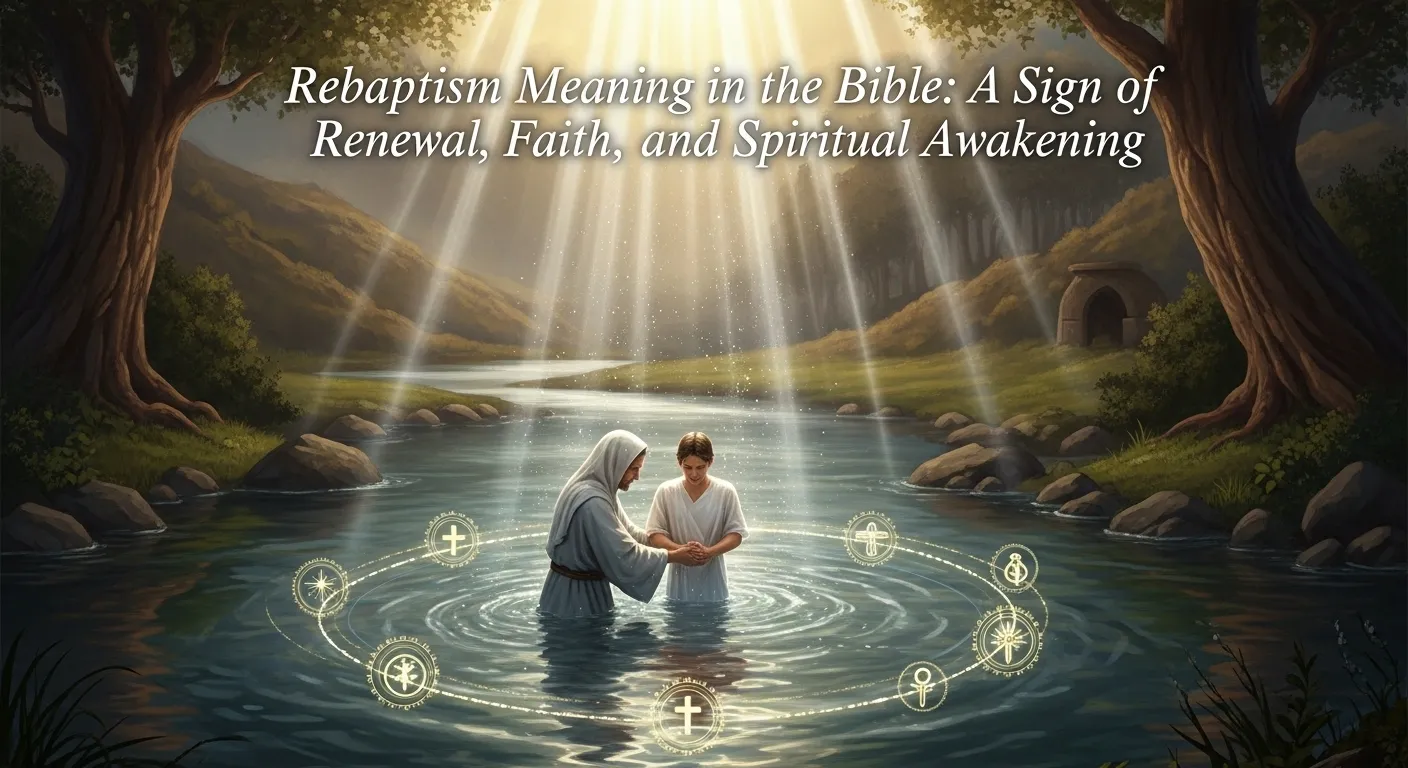
Imagine a believer standing in calm water. Years have passed since their first baptism. Life has brought struggles, doubts, and lessons. Now they feel God calling them closer. They step into the water again, not because God failed them, but because they want to renew their commitment to Him.
Many Christians ask, “What is the rebaptism meaning in the Bible?” Is it supported by Scripture? Does it symbolize spiritual growth? Could it be a sign of repentance, renewal, or a deeper faith journey?
The Bible teaches that baptism is a powerful symbol of faith, cleansing, and new life in Christ. When people think about rebaptism, they often connect it with a desire to draw closer to God and experience a fresh spiritual awakening.
Let’s explore the biblical meaning, spiritual symbolism, and Christian interpretation of rebaptism through the lens of Scripture and faith.
Biblical Meaning of Rebaptism
The rebaptism meaning in the Bible is closely connected to renewal, repentance, and a deeper understanding of faith. While the Bible emphasizes “one baptism” in Ephesians 4:5, there are examples where people were baptized again because they received a fuller understanding of Jesus Christ.
One important example is found in Acts 19:1-5. The Apostle Paul met believers in Ephesus who had only received John’s baptism. When they learned about Jesus and the Holy Spirit, they were baptized again in the name of the Lord Jesus.
This event shows that rebaptism in Scripture was not about repeating a ritual. Instead, it reflected a deeper understanding of God’s truth and a new step in faith.
Rebaptism as a Symbol of Renewal
Throughout the Bible, God often calls His people to renewal.
Romans 12:2 says:
“Be transformed by the renewing of your mind.”
While this verse does not directly discuss baptism, it highlights God’s desire for ongoing spiritual transformation.
For some believers, rebaptism becomes a personal expression of that renewal. It may symbolize:
- A fresh commitment to Christ
- Returning to God after a period of wandering
- A deeper understanding of salvation
- A renewed dedication to Christian living
Rebaptism and Repentance
The Bible frequently connects water with cleansing and repentance.
Acts 3:19 says:
“Repent therefore, and turn back, that your sins may be blotted out.”
When Christians seek rebaptism, they may feel led to publicly express their repentance and renewed devotion to God.
This does not mean Christ’s forgiveness was incomplete before. Instead, it often reflects a heartfelt desire to honor God and begin a new season of faith.
A Reminder of New Life in Christ
Baptism points to the death, burial, and resurrection of Jesus.
Romans 6:4 teaches:
“We were therefore buried with him through baptism into death in order that, just as Christ was raised from the dead… we too may live a new life.”
The symbolism of rebaptism often reminds believers of this new life. It can serve as a spiritual milestone marking growth, healing, and renewed purpose.
A Possible Warning Meaning
Not every desire for rebaptism comes from biblical understanding. Sometimes people may feel they need repeated baptisms because they fear God has rejected them after failure or sin.
The Bible teaches that God’s grace is powerful and sufficient.
1 John 1:9 assures believers:
“If we confess our sins, he is faithful and just and will forgive us.”
A Christian does not need endless baptisms to receive forgiveness. God’s mercy is available through sincere repentance and faith.
Therefore, the biblical message balances both truths:
- Renewal and recommitment are valuable.
- Trust in God’s completed work of salvation is essential.
This balance brings peace, hope, and confidence in God’s love.
Spiritual Significance and Symbolism
The spiritual symbolism of rebaptism centers on transformation.
Water often represents cleansing, healing, and new beginnings throughout Scripture. When someone considers rebaptism, they may be responding to a deep spiritual desire to grow closer to God.
A Fresh Beginning
Many believers experience seasons when God seems to call them into a new chapter.
Perhaps they have overcome a difficult struggle. Perhaps their faith has matured. Rebaptism can symbolize leaving the old behind and embracing God’s direction.
Spiritual Awakening
Sometimes rebaptism reflects a powerful spiritual awakening.
A person who once followed God casually may now feel a deeper hunger for prayer, worship, and obedience. The act becomes a visible sign of an inward change.
Renewed Relationship With God
Just as relationships need attention and commitment, faith also grows through ongoing surrender.
The symbolism of rebaptism reminds believers to:
- Seek God daily
- Remain faithful in prayer
- Trust His guidance
- Walk closely with Christ
This spiritual message encourages Christians to continue growing rather than remaining spiritually stagnant.
A Testimony of Faith
Rebaptism can also serve as a public testimony.
It allows believers to share how God has transformed their lives and strengthened their faith. In this way, the act points people not to human effort but to God’s grace and power.
Biblical Interpretations in Dreams or Real Life
Dreams involving rebaptism often carry themes of renewal, repentance, and spiritual growth.
If you dream of being peacefully baptized again, it may symbolize God’s invitation to deepen your relationship with Him. It can represent healing, forgiveness, or a fresh start.
A dream where the water is calm and clear often points toward peace, spiritual cleansing, and God’s presence.
If the water appears stormy or frightening, the dream may reflect inner struggles, guilt, confusion, or fear. In such cases, prayer and reflection can help reveal what God may be teaching you.
In real life, feelings about rebaptism often arise during major spiritual transitions:
- Returning to faith after drifting away
- Experiencing a stronger understanding of Scripture
- Entering a new season of Christian commitment
- Responding to a powerful spiritual experience
Whether in dreams or daily life, the message frequently points toward God’s ongoing work of transformation.
Practical Lessons & Faith Insights
The Christian meaning of rebaptism reminds believers that spiritual growth is a lifelong journey.
- Spend time in prayer and Bible study.
- Reflect on your relationship with God.
- Trust God’s grace and forgiveness.
- Seek His guidance before making important spiritual decisions.
- Remember that true transformation begins in the heart.
God is always able to renew, restore, and strengthen His people.
Conclusion
The rebaptism meaning in the Bible is often connected to renewal, repentance, spiritual awakening, and a deeper commitment to Christ. Scripture shows that baptism symbolizes new life, and in certain situations, rebaptism reflected a fuller understanding of faith and God’s truth.
Whether you are thinking about rebaptism, studying its biblical symbolism, or reflecting on a dream interpretation, the central message remains the same: God invites His people into continual growth and transformation.
As you seek His wisdom through prayer and Scripture, trust that His love is steady, His grace is sufficient, and His guidance will lead you closer to Him each day. May your faith journey be filled with hope, renewal, and the peaceful presence of God.