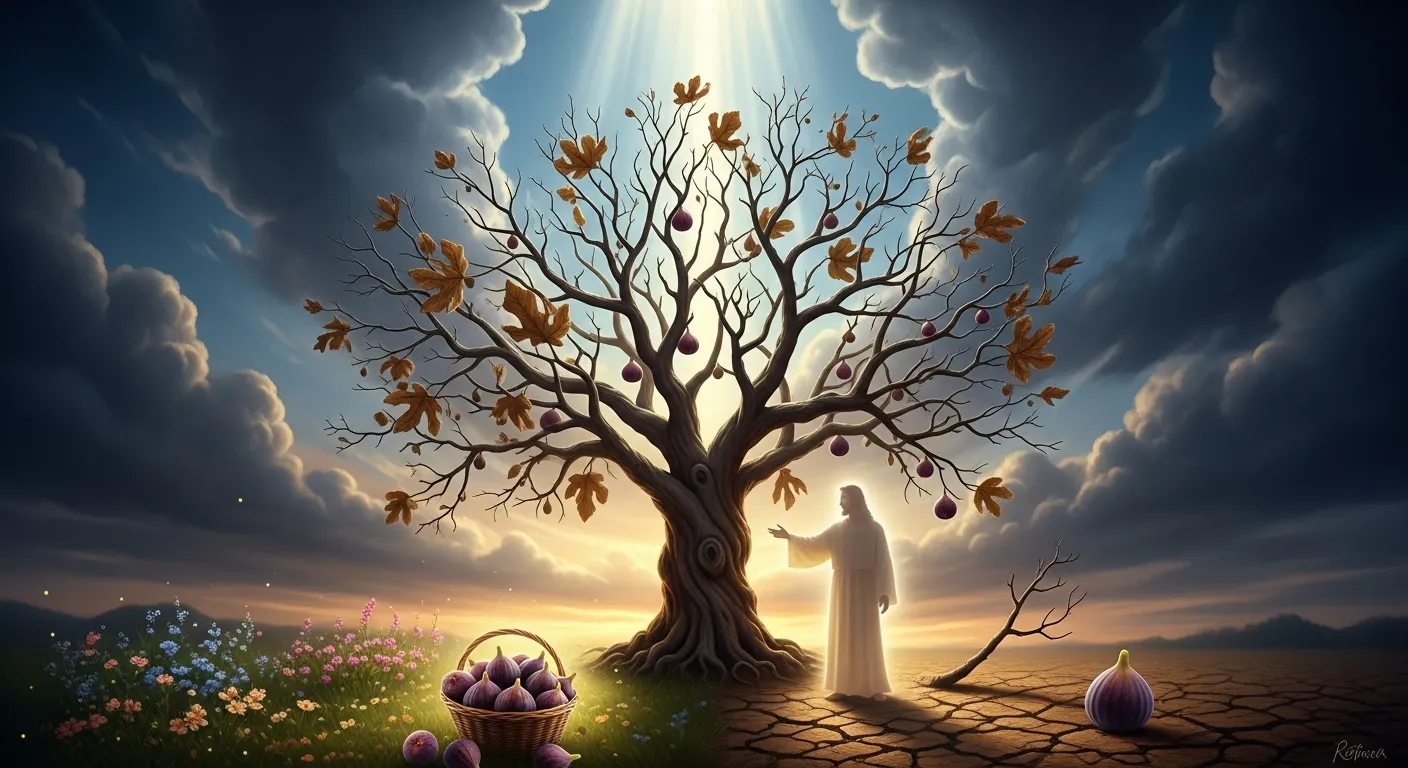
Have you ever walked past a tree that looked healthy on the outside but had no fruit when you looked closer? From a distance, it seemed alive and full of promise, yet it offered nothing. This image helps us understand one of the most surprising events in the Bible—the curse of the fig tree.
Many Christians read this story and wonder, Why did Jesus curse a fig tree? Was He angry? Was there a deeper lesson behind His actions? The story may seem strange at first, but it carries a powerful spiritual message.
The fig tree curse meaning in the Bible is not really about a tree. It is about faith, obedience, spiritual growth, and our relationship with God. Jesus used the fig tree as a living lesson to teach His followers about genuine faith and the importance of producing spiritual fruit.
Whether you have read this passage during Bible study, encountered it in a dream, or simply want to understand its significance, the story offers valuable insight. It reveals God’s desire for sincere hearts rather than outward appearances.
As we explore the biblical meaning of the cursed fig tree, we will discover its symbolism, spiritual lessons, and what it can teach believers today.
Biblical Meaning of Fig Tree Curse Meaning in the Bible
The story of the cursed fig tree appears in Matthew 21:18–22 and Mark 11:12–25. In these passages, Jesus approaches a fig tree looking for fruit. Finding only leaves, He says:
“May you never bear fruit again.”
The tree quickly withers.
At first glance, this event may seem harsh. However, the Bible reveals a much deeper meaning.
A Symbol of Spiritual Fruitfulness
In Scripture, fig trees often symbolize God’s people. Throughout the Old Testament, Israel was compared to a fig tree or vineyard that was expected to produce good fruit.
The tree Jesus approached had many leaves. It looked healthy and productive from the outside. Yet it had no fruit.
This became a picture of people who appear religious outwardly but lack true faith and obedience inwardly.
The biblical symbolism here is clear: God desires genuine spiritual fruit, not just religious appearance.
A Warning Against Empty Faith
One of the strongest messages in the story is the danger of empty faith.
The fig tree looked alive but was barren. In the same way, people can attend church, know Bible verses, or appear faithful while their hearts remain far from God.
Jesus was teaching that outward religion without inward transformation cannot fulfill God’s purpose.
This warning remains relevant today. God looks beyond appearances and sees the condition of the heart.
A Call to Genuine Faith
The story also contains an encouraging lesson about faith.
After the tree withered, Jesus spoke to His disciples about believing prayer and trusting God.
The event became an opportunity to teach that faith is powerful when rooted in God’s will.
Believers are called to live lives marked by:
- Faith
- Love
- Obedience
- Prayer
- Spiritual growth
These qualities are the fruit God desires.
God’s Desire for Transformation
The fig tree curse was not simply an act of judgment. It was a call to repentance and transformation.
Throughout the Bible, God continually invites His people to return to Him and bear spiritual fruit.
Good fruit includes:
- Kindness
- Compassion
- Forgiveness
- Humility
- Faithfulness
When these qualities grow in a believer’s life, they reflect the presence of God.
Hope Within the Warning
Although the story contains a warning, it also offers hope.
God does not expect perfection. He desires hearts that seek Him sincerely.
Through prayer, Scripture, and the work of the Holy Spirit, believers can grow spiritually and become fruitful.
The fig tree reminds Christians that God can transform barren places into places of growth and blessing.
Spiritual Significance and Symbolism
The spiritual symbolism of the cursed fig tree reaches beyond the historical event.
At its core, the story asks an important question:
Are we producing spiritual fruit in our lives?
Many people focus on appearances. We often want others to think we are doing well. Yet God is concerned with what is happening inside us.
The fig tree teaches that true faith produces visible results.
For example:
- A praying heart develops deeper trust in God.
- A forgiven person learns to forgive others.
- A growing believer becomes more loving and patient.
These changes are signs of spiritual fruitfulness.
The story also points to spiritual awakening. Sometimes God uses challenges, conviction, or difficult seasons to help believers recognize areas that need growth.
Rather than condemning us, God lovingly calls us closer.
The cursed fig tree reminds Christians that faith should not remain hidden. A living relationship with God naturally produces evidence of His work in our lives.
This message encourages reflection, renewal, and deeper commitment to Christ.
Biblical Interpretations in Dreams or Real Life
Some people encounter the image of a fig tree in dreams and wonder about its Christian meaning.
While dreams should always be tested through prayer and Scripture, a fig tree may symbolize one’s spiritual condition.
A healthy fig tree filled with fruit can represent:
- Spiritual growth
- Blessings
- Faithfulness
- God’s provision
A barren or withered fig tree may point to:
- Spiritual dryness
- Neglected prayer life
- Missed opportunities for growth
- A need to return to God
The emotions within the dream also matter.
If the dream feels peaceful, it may be an invitation toward deeper faith and maturity.
If it feels troubling or urgent, it may serve as a gentle reminder to examine one’s spiritual walk.
In everyday life, the lesson remains the same. God desires believers to stay connected to Him and continue growing in faith.
Prayer and Scripture provide wisdom when seeking the meaning of dreams or personal experiences.
Practical Lessons & Faith Insights
The fig tree curse teaches believers to focus on genuine faith rather than appearances.
Spend time in prayer, read God’s Word, and ask the Holy Spirit to help you grow spiritual fruit. Examine your heart regularly and remain open to God’s guidance. Trust that even if you feel spiritually weak today, God can bring renewal, growth, and transformation in His perfect timing.
Conclusion
The fig tree curse meaning in the Bible is a powerful lesson about faith, fruitfulness, and spiritual growth. Jesus used the fig tree to show that God desires sincere hearts that reflect His love and truth.
While the story contains a warning against empty faith, it also carries a message of hope. God continually invites His people to grow, change, and draw closer to Him.
As you reflect on this biblical symbolism, remember that God is patient and faithful. Through prayer, trust, and obedience, He can help your life bear lasting spiritual fruit and reveal His purpose in every season.