Imagine a quiet night in Egypt long ago. Families sit inside their homes. A lamb has been prepared. Its blood is placed on the doorposts. Outside, fear moves through the land. But inside, there is trust. There is faith. There is hope that God will keep His promise.
This moment is called Passover.
Many people ask about the meaning of Passover in the Bible. Some read about it in Scripture. Others hear it during church. Some even dream about it and wonder, “What is God telling me?”
Passover is not just an old story. It is a powerful message about freedom, protection, and the saving power of God. It shows how God rescues His people from suffering. It reminds us that He sees pain, hears prayers, and brings deliverance at the right time.
But what does Passover really mean? Why is it so important in Christian belief? And what spiritual message does it carry for us today?
Let us explore the deep and beautiful truth behind the meaning of Passover in the Bible.
Biblical Meaning of Passover in the Bible
The story of Passover is found in the book of Book of Exodus, especially in chapter 12.
God’s people, the Israelites, were slaves in Egypt. They cried out to God for help. After many signs and warnings, God sent the final plague. He said that the firstborn in Egypt would die. But He gave His people a way to be saved.
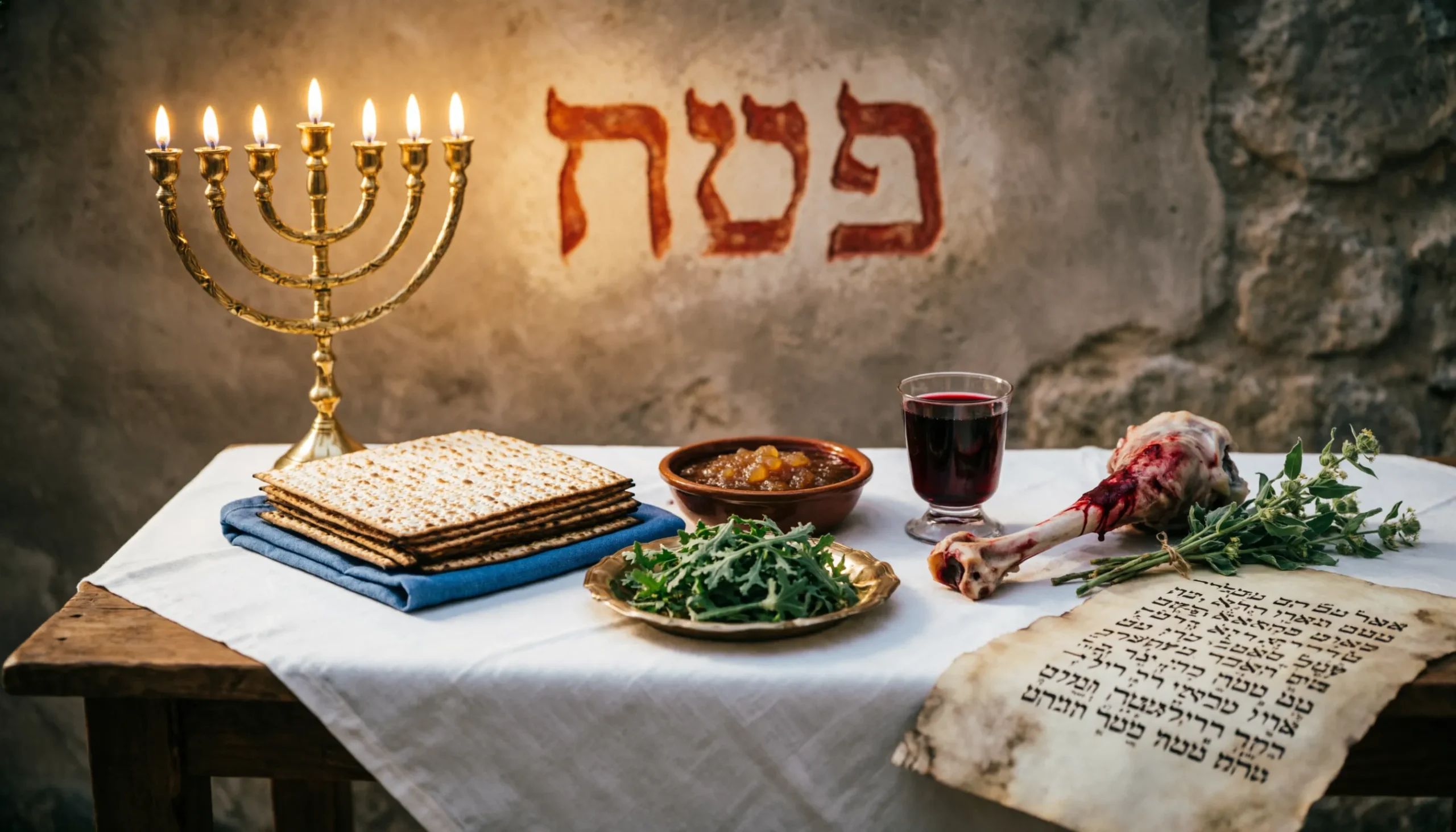
God told them to sacrifice a lamb and place its blood on their doorposts. That night, when destruction passed through the land, it would “pass over” the homes marked with blood.
“When I see the blood, I will pass over you.” — Exodus 12:13
This is the heart of the meaning of Passover in the Bible:
God protects and delivers those who trust Him.
The Lamb and Its Deep Symbolism
The lamb was not random. It was pure and without defect. Its blood became a sign of safety.
For Christians, this points forward to Jesus Christ. The New Testament calls Jesus the “Lamb of God.” Just as the lamb’s blood saved the Israelites, Jesus’ sacrifice saves believers from sin and spiritual death.
Passover becomes a powerful picture of:
- Salvation
- Redemption
- God’s mercy
- Freedom from bondage
Freedom From Slavery
After that night, Pharaoh finally let the Israelites go. Passover marked the beginning of their freedom journey.
In spiritual symbolism, Egypt represents bondage — not just physical slavery, but also sin, fear, and oppression.
Passover teaches us that:
- God hears our cries.
- God acts in His perfect time.
- God breaks chains.
This is why the meaning of Passover in the Bible is deeply connected to hope. No matter how long the struggle, deliverance can come suddenly.
A Memorial of Faith
God told His people to celebrate Passover every year. It became a holy feast — a reminder of what He had done.
Even in the New Testament, we see Jesus Christ celebrating Passover with His disciples during what we call the Last Supper.
Passover is not only history. It is a living spiritual message that says:
God saves. God protects. God keeps His promises.
Spiritual Significance and Biblical Symbolism
The spiritual symbolism of Passover goes deeper than one event.
1. A Sign of New Beginnings
Passover marked a new chapter for Israel. Their old life ended. A new journey began.
In our lives, Passover represents:
- A spiritual awakening
- Leaving behind sin
- Stepping into God’s calling
- Transformation through faith
When someone feels stuck or trapped, the message of Passover whispers:
Your freedom is coming.
2. The Blood as a Covering
The blood on the doorposts was visible. It was a sign of obedience and faith.
Spiritually, it shows that faith must be active. The Israelites had to trust God enough to obey Him.
In Christian meaning, this reminds believers to:
- Pray with trust
- Act in obedience
- Believe in God’s protection
Faith is not silent. It is lived out.
3. God’s Presence in the Darkest Night
Passover happened at midnight — a dark hour.
Spiritually, midnight can mean:
- Fear
- Uncertainty
- Pain
- Waiting
Yet God moved in the darkness.
This teaches us that even when life feels dark, the presence of God is near. He is working behind the scenes.
Biblical Interpretations in Dreams or Real Life
Sometimes people dream about Passover or see symbols like lambs, blood, or doors. What could this mean?
In dream interpretation, Passover often represents:
- Protection from danger
- A coming breakthrough
- Deliverance from a hard situation
- A divine message of hope
If the dream feels peaceful, it may show that God’s covering is over your life.
If it feels intense or fearful, it could mean you are in a season of testing — but protection is still present.
In real life, Passover moments happen when:
- A long struggle suddenly ends
- A prayer is finally answered
- A new chapter begins
The key message remains the same:
God sees. God knows. God delivers.
Practical Lessons & Faith Insights
Here are simple lessons from the meaning of Passover in the Bible:
- Trust God even when you do not understand.
- Obey Him in small steps.
- Remember past blessings during hard times.
- Pray for freedom from spiritual bondage.
- Believe that protection is real.
Passover calls us to reflect, pray, and hold onto faith.
Conclusion
The meaning of Passover in the Bible is a story of rescue, redemption, and renewal. It shows that God does not forget His people. He protects, saves, and leads them into freedom.
Passover reminds us that no night is too dark and no chain is too strong for God. When we trust Him, His covering surrounds us.
May this powerful biblical symbolism fill your heart with hope, strengthen your faith, and remind you that deliverance is always possible in God’s perfect time.